
TSUNEISHI SHIPBUILDING Co., Ltd.
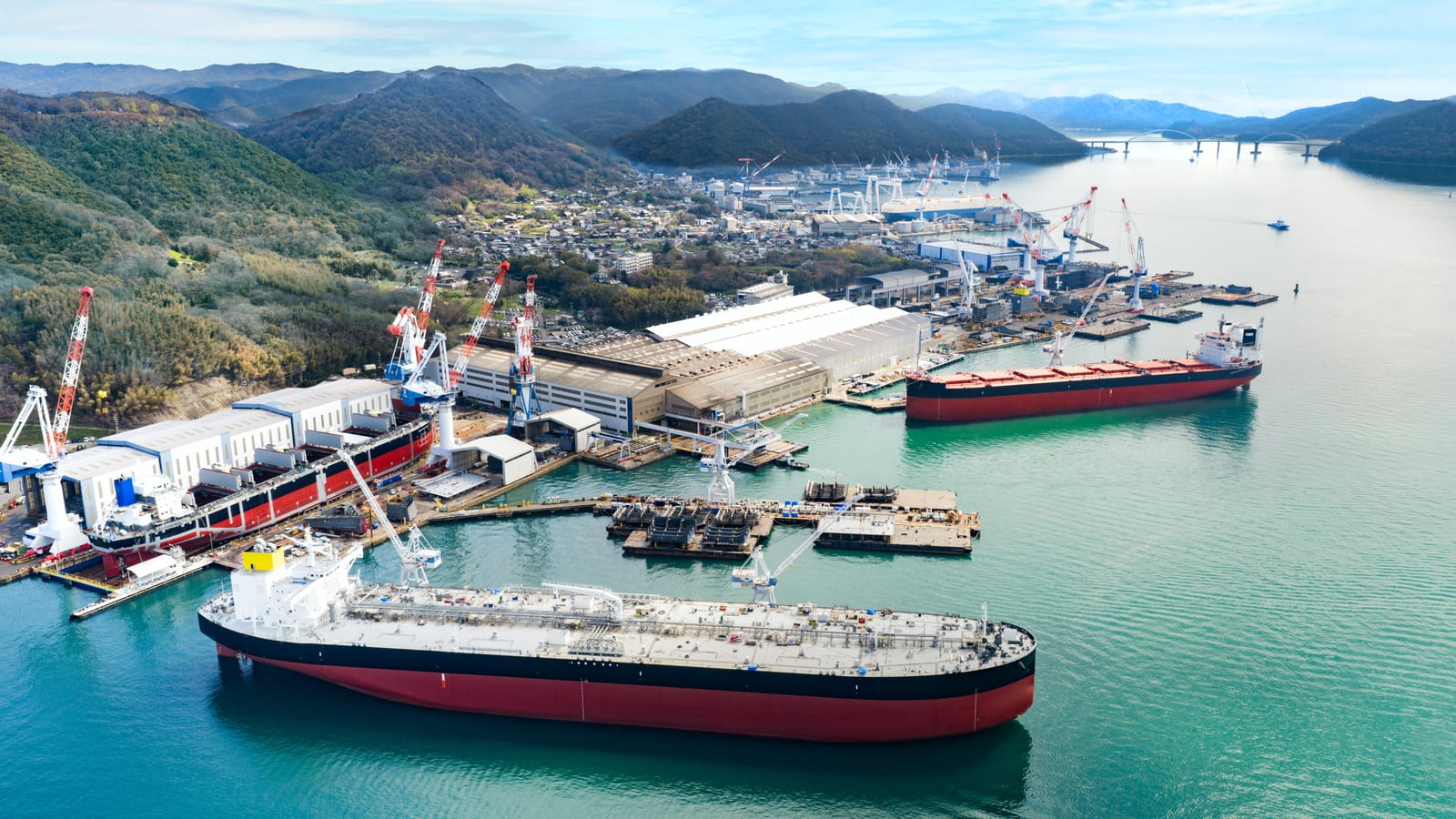
As the anchor company of the TSUNEISHI Group, TSUNEISHI SHIPBUILDING primarily engages in shipbuilding and repairs. With manufacturing bases in Japan (Tsuneishi Factory, the HQ), the Philippines, and China, the company builds bulk carriers, container carriers, tankers, etc. Its Hull Production Design Group manages nesting for hull parts and steel information, and works with CadwinSystem Co., Ltd. to develop and operate output postprocessors tailored to cutting-machine specifications.
tsuneishi.co.jp
1. Background
- Each change in cutting-machine specifications or yard requirements called for output conditions to be adjusted again, creating a need for a flexible nesting environment that could keep pace with change.

2. How It Is Used
- Used to nest hull parts and manage steel information; eight postprocessors were developed and put into operation for different cutting-machine specifications and applied in actual shipbuilding work.

3. Impact
- According to figures compiled by Shinji Hase from his work at the yard, nesting man-hours decreased and material utilization improved. He said this also helped with workforce deployment and steel purchasing plans.
When a shipyard’s equipment changes, so do the way steel is cut and the conditions used to generate output. That is why a nesting system must keep pace with changes on the shop floor.
Shinji Hase of TSUNEISHI SHIPBUILDING’s Hull Production Design Group (currently on secondment to group company TSUNEISHI ENGINEERING Co., Ltd.) has used CADWIN products for 19 years and is now in his 18th year of nesting work. We spoke with him about the changes he has experienced while using CadwinNest over the years and the collaboration behind them. ⚓
Q. Over your 18 years in nesting, how has the work changed?
At a high level, there has been little change in the design data coming from upstream. What has continued to change is the output data sent downstream.
Every time cutting-machine specifications changed, we needed a corresponding postprocessor. Whenever new equipment was introduced, we reviewed the output conditions and adjusted them one by one so they could be used on the shop floor.
Q. What mattered most in keeping pace with changing conditions at the yard?
Flexibility was essential—the ability to reflect even small changes quickly as the operating environment and project conditions evolved. We also needed to continue nesting on projects that did not use a particular 3D CAD system.
Q. What has stood out most to you while using CadwinNest?
The first thing that caught my attention was the ability to view steel information on multiple screens at the same time. It made the work convenient because I could see the information I needed at a glance.
As I continued using the system, I became even more impressed not only by the functions themselves but also by the way the team responded to requests from the yard. When we shared improvement needs from each site, development, enhancements, and support followed quickly.
What impressed me was how quickly development, enhancements, and support kept pace with changes at the yard.
Q. Is there a particular collaboration that stands out in your memory?
I particularly remember developing eight postprocessors, each reflecting the specifications of a different cutting machine. Even with the same cutting data, the output method varies by equipment, so each set of conditions had to be configured carefully.
Working with CadwinSystem, we checked the yard’s application conditions and developed the postprocessors one by one. In the end, we were able to use them in actual shipbuilding work.
Q. What changes have you experienced in day-to-day work?
From my experience, we have been able to reduce nesting man-hours, and I have seen an improvement in material utilization.
Reducing the time required for nesting supports more efficient workforce deployment, while better material utilization has also helped reduce the burden of steel purchasing.
*The outcomes described here are not company-wide official KPIs or benchmarks that apply uniformly across every site. They reflect the on-site experience and results that Hase shared in this interview.
Q. Why have you continued using the product for so long, and what do you expect going forward?
I have kept using the product for so long because of the quick response to the needs of the yard. I hope that development, enhancements, and support will continue to be just as quick.
Conditions between design and production keep changing with each piece of equipment and each project. TSUNEISHI SHIPBUILDING and CadwinSystem continue to turn feedback from the yard into the next improvement, working together to make nesting more convenient. 😊